ORIGIN
ORIGIN is the culmination of four decades of technical innovation and the ultimate analogue in-line console for hybrid production environments.
FIND OUT MORE

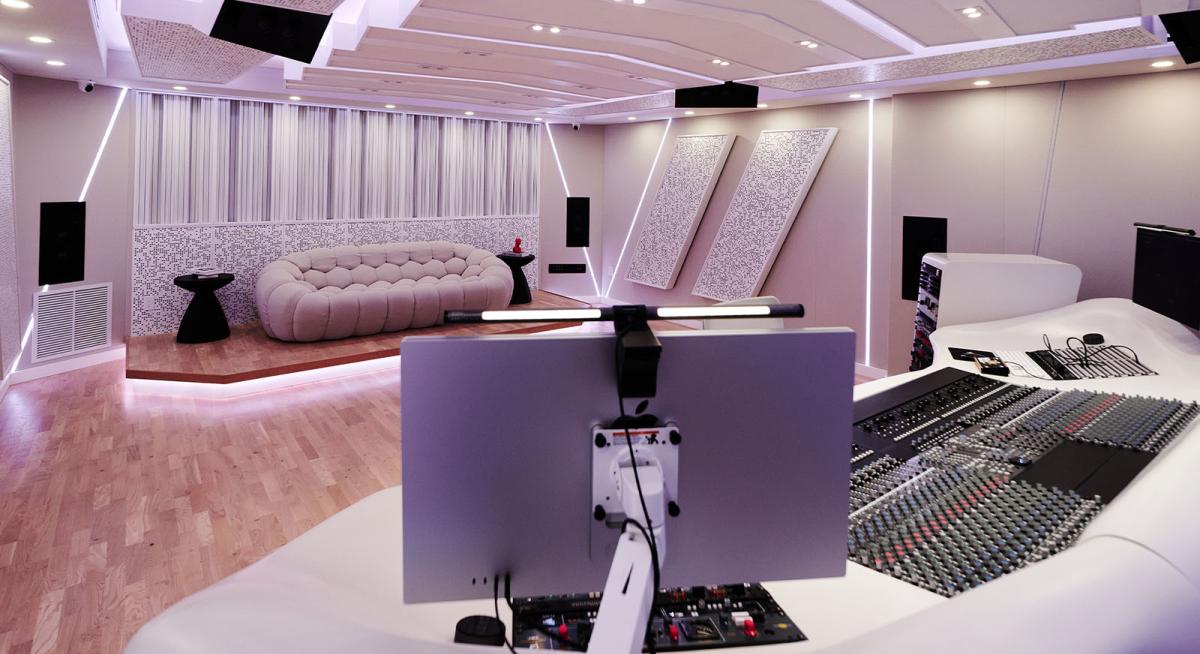
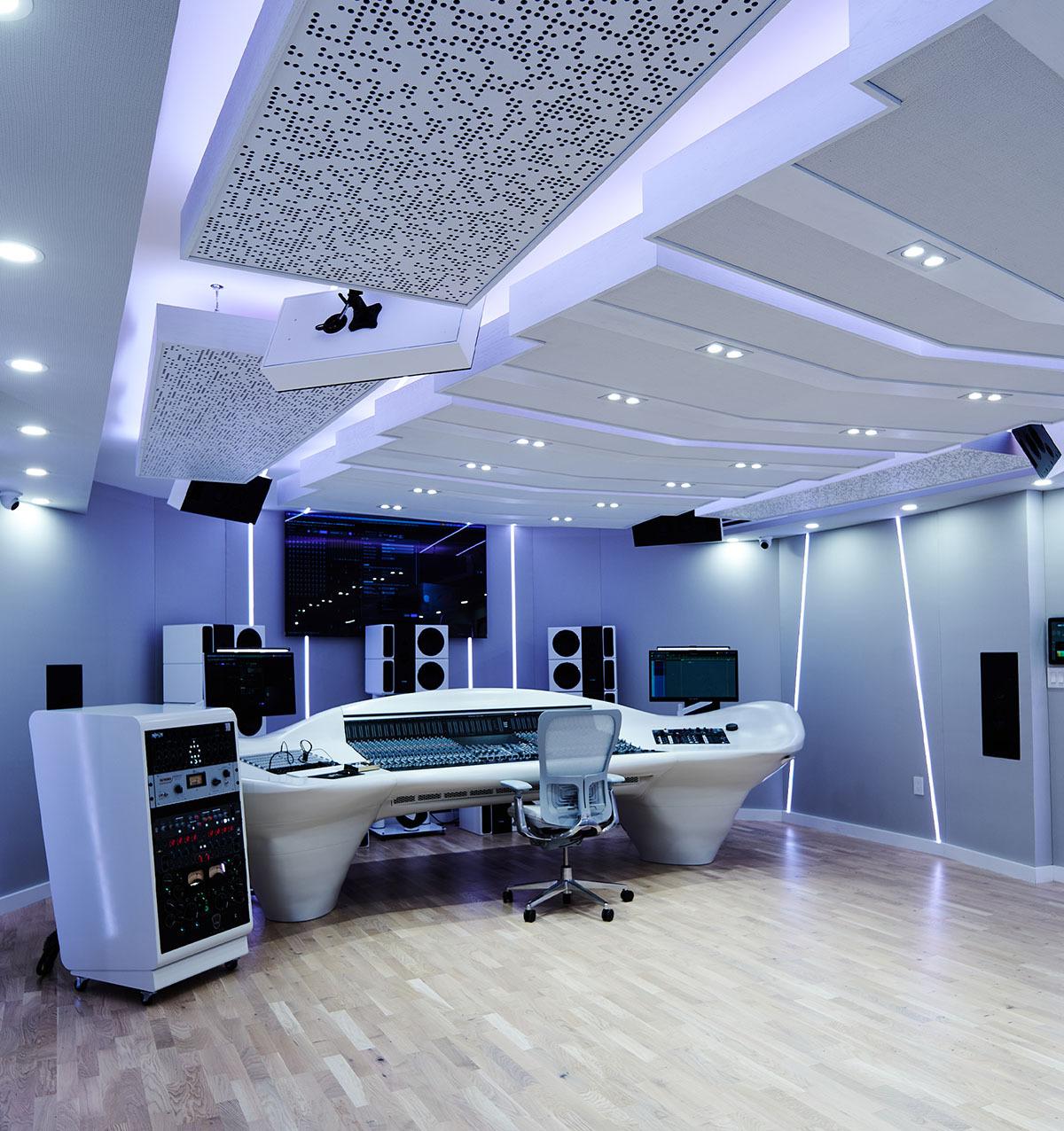
LEC Studios, which opened at the beginning of 2026, offers a variety of podcast, recording and performance spaces plus other amenities under one roof in a new creative complex in the Miami metropolitan area. At the heart of the new commercial recording studio is a Solid State Logic ORIGIN 32-channel analogue console mounted in sculptural furniture custom-designed and built by Malvicino Design Group, who handled the overall studio and acoustic design and system integration at the facility.
The project is the first dedicated recording studio to be built by Humberto Alvarez, CEO and founder of parent company Logistic Events Corp. (LEC). The Doral complex also encompasses a production facility, concert venue and video post-production studio, and additionally supports the brand’s new record label initiative. Much of the work at the recording studio, which is centred around the SSL ORIGIN console and is outfitted with a 9.1.4 speaker system for Dolby Atmos monitoring, is focused on developing new artists while also supporting established professionals.
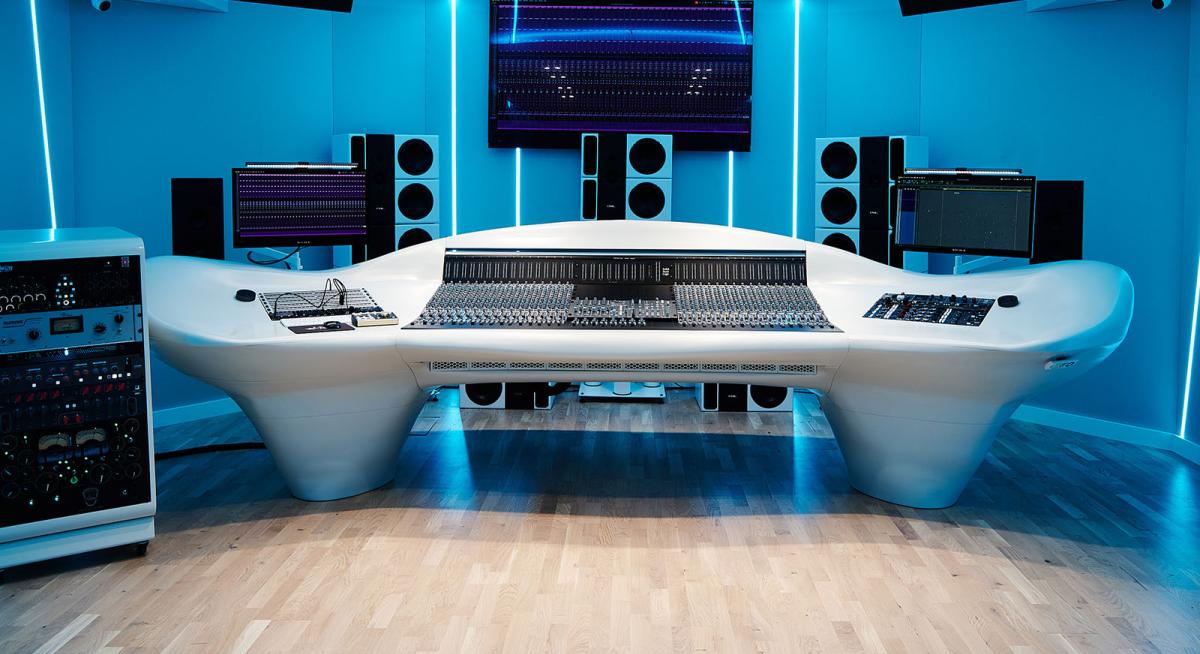
Horacio Malvicino, managing director of Malvicino Design Group, selected the ORIGIN based on its similarity to one of SSL’s most iconic consoles. “I was such a huge fan of the 4k back in the day,” he says. “Compared to vintage 4000-series consoles, ORIGIN feels slightly cleaner and tighter in the low end, with a lower noise floor and more refined stereo imaging. It strikes a great balance between classic SSL punch and modern transparency rather than relying on heavy coloration. Overall, the console sounds open, punchy, clean and unmistakably SSL.”
ORIGIN’s E Series 242 EQ is one of its highlights, he continues. “It has a very aggressive and musical midrange character, excellent punch and a great top-end presence. Compared to later G-series EQs, the ‘black knob’ design feels more aggressive and characterful, which gives ORIGIN a more authentic ‘classic SSL’ attitude without sounding overly pristine.”
The console was also chosen as a perfect fit for a modern hybrid studio environment, Malvicino says. “Today’s workflow is heavily DAW-centered, and ORIGIN works exceptionally well as the front-end for recording, monitoring, analogue summing, cue sends and outboard routing. What makes the console special is that it preserves the classic SSL inline workflow while adapting naturally to modern DAW-based production.”
Further, he says, “The inline architecture and routing matrix make the workflow significantly faster and more intuitive than many modern controller-and-interface setups. Compared to older SSL consoles, which relied on more complicated bus assignment logic and multiple button combinations, the ORIGIN routing matrix feels much cleaner and more efficient.” The console’s flexibility is further enhanced by offering an insert point on both channel signal paths, he adds. “Most consoles that have a monitor path don't have an insert point on the small fader.”
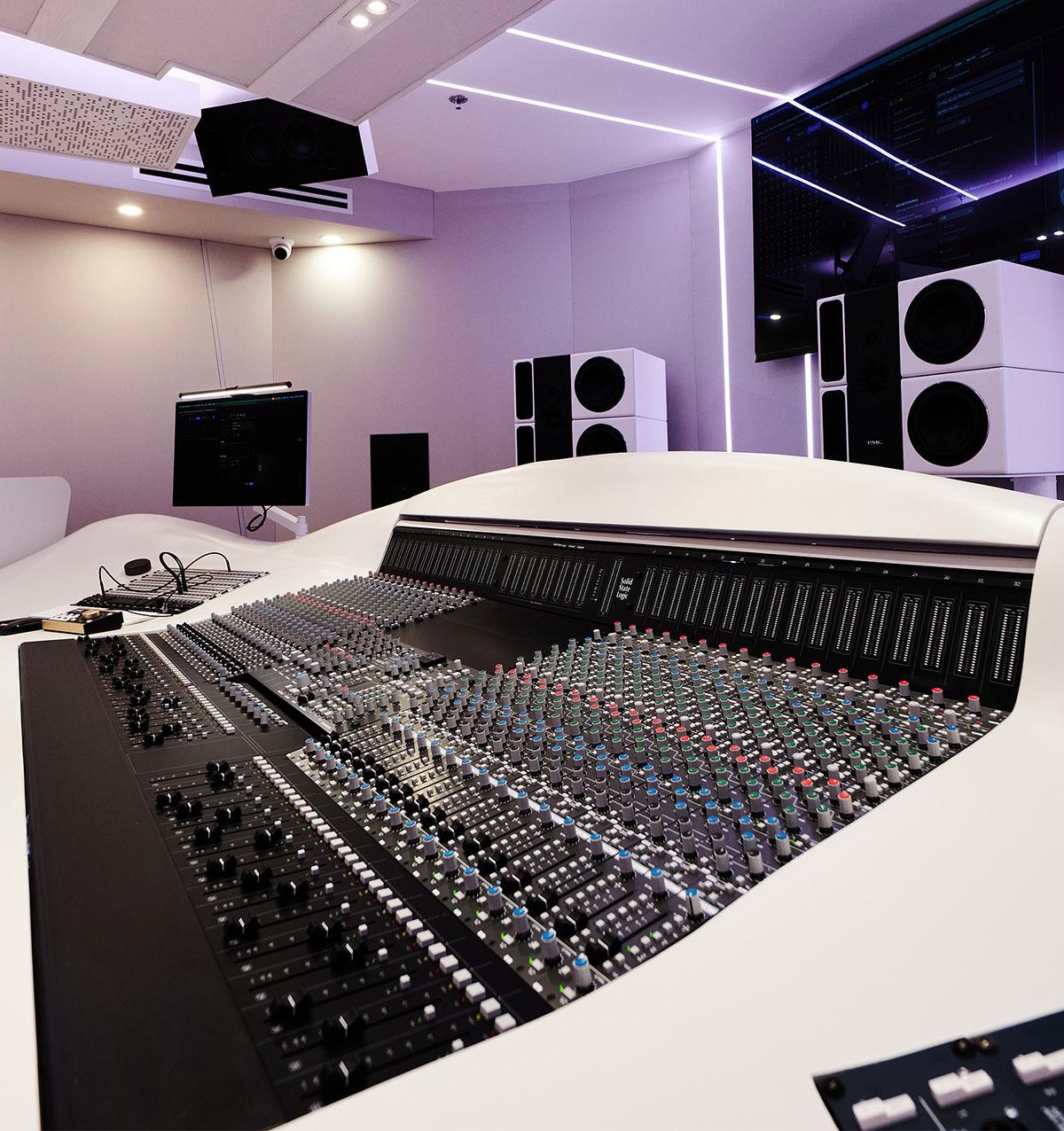
Like previous SSL console models, ORIGIN’s PureDrive™ mic pre offers clarity and transparency, but when the Drive switch is engaged, Malvicino comments, “It adds harmonic density, subtle saturation, more forward midrange and a slight thickening effect. It works particularly well on vocals, bass, synths and room microphones. It’s tasteful and musical, rather than overly aggressive.”
The SSL Bus Compressor in ORIGIN’s master section remains central to many workflows at the facility. “During tracking, it’s often used lightly on cue mixes, drum room compression or subgroup control, although it’s not always printed,” Malvicino reports. “During mixing, however, it’s used constantly. Typical settings include a 2:1 or 4:1 ratio, slow attack, auto release, and around 1 dB to 4 dB of gain reduction. It still delivers the cohesion, punch and forward movement that people immediately associate with SSL mixes, and many engineers build their mixes around it.”
On a typical session at LEC Studios, the DAW outputs are normalized to the ORIGIN tape returns and large faders, while mic inputs and tracking chains are assigned to the short faders. “During tracking, most engineers use the console in split inline mode,” he observes. “The short fader handles the input path, with the mic pre active, filters commonly engaged and EQ often applied while tracking. Inserts are frequently used for compressors, EQs, de-essers or tape simulators. The large fader is generally used for DAW playback monitoring, routed to the stereo mix bus.”
The flexibility of ORIGIN’s subgrouping system is also extremely useful for modern mixing workflows, he notes. “Typical subgroup assignments include drums, music, guitars, vocals, effects, parallel compression and stem printing. A common structure would involve dedicated drum, music, vocal and FX subgroups feeding the final mix bus.
Overall, Malicino concludes, “ORIGIN succeeds because it doesn’t try to simply recreate a vintage SSL console. Instead, it preserves the classic inline workflow, SSL punch, routing flexibility, analog summing and tactile mixing experience while integrating naturally into today’s DAW-heavy, recall-based hybrid production environments. For many engineers, it represents the perfect balance between vintage console workflow and modern production practicality, all within a more manageable footprint and cost.”
The ORIGIN was supplied by Stephen Banister at GC Pro. Horacio Malvicino and Fabiola Mena led the Malvicino Design Group team, which included studio installer Diego Mejia and system integrator Federico Petrone. Construction was by Adrian Milton and the Conacustica team.
About LEC Studios:
LEC Studios is the result of a broader entrepreneurial vision to create a destination where music production, podcasting, live entertainment, broadcast and content creation coexist within a single, purpose-built facility. The driving force behind that vision is Humberto Alvarez, Founder and CEO of Logistic Events Corp. (LEC). Although his background is not rooted in the traditional music or entertainment industries, Alvarez has spent more than two decades building successful businesses across temporary infrastructure, event services, hospitality, themed entertainment and media production. Bringing together that experience, he conceived LEC Studios as a world-class creative complex, with its first commercial recording studio at the center of the project. Equipped with a 9.1.4 Dolby Atmos monitoring system and built around the SSL ORIGIN console, the studio provides a premium environment for artists, producers and engineers working at the highest professional level
LEC Studios is built around a Solid State Logic ORIGIN 32-channel analogue console, which sits at the heart of its main recording studio.
LEC Studios is located in Doral, within the Miami metropolitan area, and forms part of a wider creative complex that includes recording, podcasting and performance facilities.
SSL ORIGIN is a professional analogue recording and mixing console that combines classic SSL workflow and sound with modern DAW integration, making it ideal for today's hybrid music production environments.
The facility supports music recording, podcast production, live performance recording, content creation and immersive audio production, all within a purpose-built creative environment.
About SSL ORIGIN
SSL ORIGIN is a professional analogue recording console designed for modern hybrid studios. Combining analogue summing, PureDrive microphone preamps, E Series EQ and the renowned SSL Bus Compressor with seamless DAW integration, ORIGIN delivers the workflow, flexibility and sound quality trusted by professional recording studios, producers and engineers worldwide.
 VIEW MEDIA